

Housekeeping begets housekeeping. You decide to clean the windows, and then the light streaming in the room gets so good you start to think the floors don’t really deserve that kind of light, in their present condition, so you’d better get out the mop next.
Last week I reduced the annual cost of a paid subscription to this newsletter from $65.00 to $30.00. I’ve been writing The Chatner for about a decade now, and there are a lot more paid newsletters out there than there were ten years ago, so it naturally follows that the average person has less to spend on newsletters than they used to.
But if the annual cost of a newsletter is $30, it doesn’t make much sense to keep charging $6 a month, as I have been doing for the last few years. So I’m making a paid subscription $5 a month instead from now on. I tried to make it $4 a month, but Substack’s CMS won’t let me set it below $5. A little error message pops up: “Subscription cannot be less than $5 monthly.” So $5 it is.
The annual subscription is still the best deal for your money, in that case, if you decide to spend any of your money on my work.1 But this will narrow the gap somewhat between the monthly and annual subscription. It will of course apply to those of you who already have a paid subscription, so you’ll save a little money, too.
I’ll confess to some slight trepidation; it may be that this will not encourage a flush of new subscribers, but simply in a little less money for me each month. Well, faint heart never won fair lady, and I do think it’s worth doing anyhow. But I do hope it’s the kind of thing that wins me a great deal of social and ethical credit, and people say things like, “How shrewd and yet how humble he is, how well he unites shrewdness and humility in the same elegant mind, cunning as a serpent and harmless as a dove, he’s like a 21st-century Don Marquis who can’t draw. If only he could draw…!”
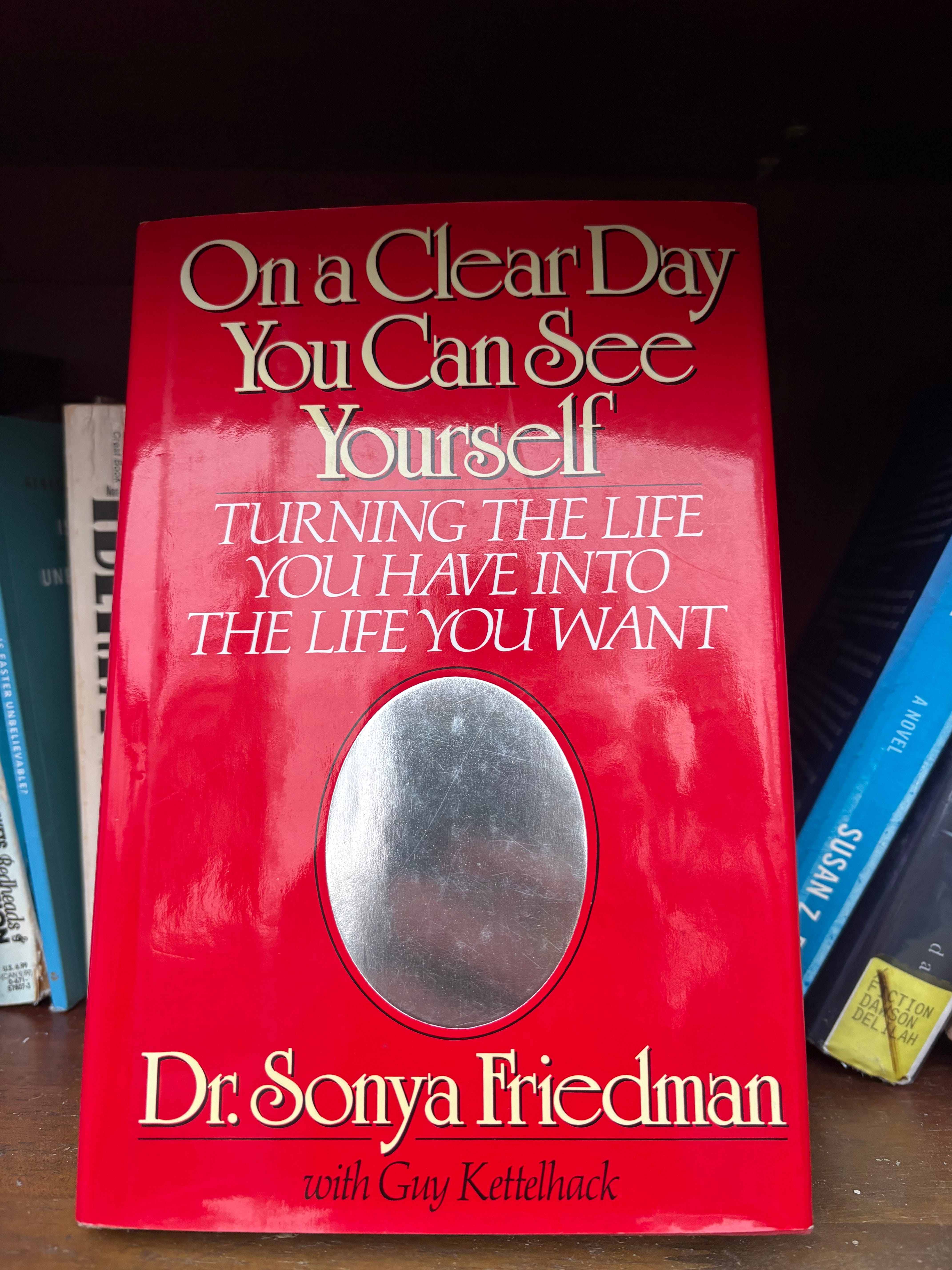
Last month while staying at a monastery in Berkeley I came across a Little Free Library on one of my afternoon walks. Usually the books in Little Free Libraries are quite bad, especially in Berkeley. They are either highly out-of-date diet books written by hysterics and neurotics, or else E-Z summations of Eastern mystical traditions.
This is often the best type of book one can expect from a Little Free Library, but the cover is funnier than the book. If you’ve read the cover and laughed a little, you’ve gotten your money’s worth from it.
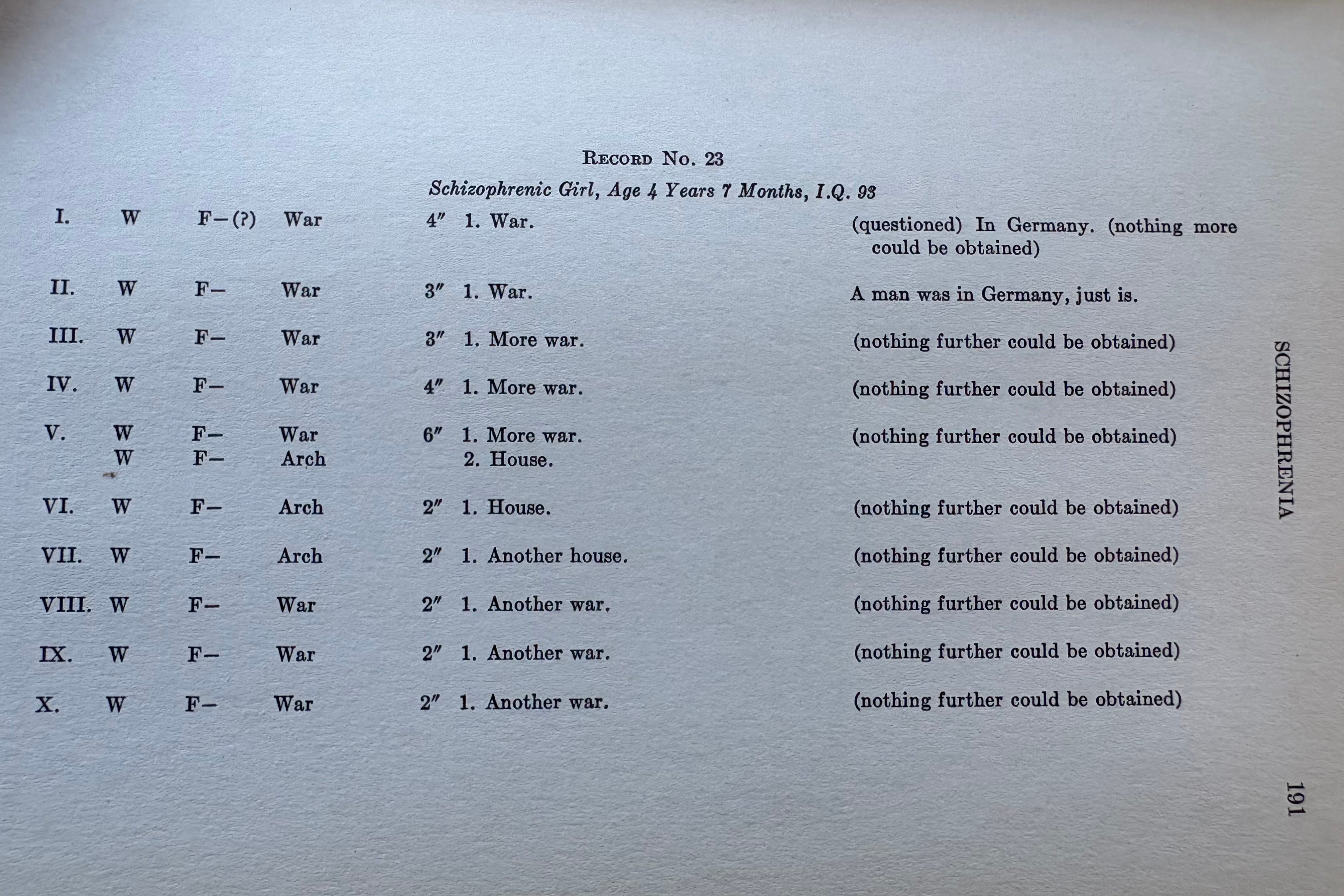
But I did manage to come away with A Clinical Approach to Children’s Rorschachs, by Florence Halpern, published 1953. (If you’d like to see the Rorschach inkblots you can do so here.)
“The test is best introduced to the very young child (two and a half to four years) with the following remarks: Did you ever see ink spill on a piece of paper? It makes a big spot on the paper, and sometimes when you look at the spot it makes you think of something; it looks like something. Now you look at these inkblots that I have here and tell me what you find in them, what they make you think of, what they might be…In his examination of the card the child should never be hurried, and the whole procedure should have the quality of an interesting experience without tension.”
The children are Well-Adjusted, Neurotic, Behavior Disorder, Reading Disability, Family Problems, Anxiety Reaction with Somatization, Stutterer, Boy with Tics, Enuretic, Severe Eczema, Girl with Convulsions, Postenceophalitis, Degenerative Disease of Central Nervous System, Congenital Syphilis, Disturbances in Eating, Aggressive, Maladjusted, or Schizophrenic. In no cases are the children diagnosed via Rorschach; the Rorschach test is administered as part of an ongoing attempt at interpreting each child’s progress in solving problems, making sense of their environment, and managing their various symptoms.
I like the idea of Rorschach tests; I like the idea of being presented with the same spill over and over again and being asked to present a narrative justification for it. I find poignant, and distressing, the idea of children being diagnosed with schizophrenia and congenital syphillis; I find their assessments of the inkblots to be creative, winsome, appealing, distressing, and often heroic.
“The subject is an only child who is somewhat oversheltered. He tends to be rather passive and quiet, but is essentially happy. He is easily contacted. The parents report no special problems.”
